

Robotic Hoovers
Ideally, robot vacuums are used to polish your floors every day or weekly. Many owners find that their floors appear and feel better after regular use.
Consider features for mapping that will allow the robot to remember your home and navigate effectively. Other features worth considering include spot/zone cleaning recharge and resume, advanced navigation and object detection.
They're easy to use
Robotic vacuums are an excellent alternative for most homes. robot vacuum deals are safe, easy to use and can be operated by people with all levels of technology. Additionally, they can be programmed to clean your home according to a schedule that is suitable for your family's lifestyle. The most recent models are able to navigate obstacles like furniture and pet toys. Some even have sensors that detect dust, dirt or other debris and alter their cleaning mode according to. This will save you time and effort because you can utilize the same robot to mop, vacuum, or both.
Unlike traditional vacuum cleaners, robotic hoovers are powered by batteries and can be moved around your home without tangled cords or tangled under furniture. They can be programmed for specific areas of your home, and are able to take on the stairs. A lot of these robots can detect areas that are dirty, and return to their docking stations to replenish their batteries when their battery is low. They can even stop their work and then resume where they stopped. This makes them ideal for busy homes with children and pets.
Another advantage of robotic hoovers is their ability to work on different flooring types and materials, such as carpet, tile, hardwood and linoleum. They can also clean pet hair and crumbs from garage floors or outdoor patios. They are a great option for beachfront homes or apartments, condos, and condos. Most robots are built to work on multiple levels of your home However, certain models have a more restricted scope and are ideal for single-story or one-level homes.
Most robotic vacuums are equipped with sensors that detect obstacles and avoid them, as well recognize hardwood floors and carpets. They also have an integrated camera that allows them see around corners and in tight spaces. In addition, some robots come with virtual barriers that allow you to set up "no-go" zones to prevent vacuums from entering certain areas of your home.
Certain robot vacuums, like the iRobot Roomba can take photos of objects and walls within your home. They then share them with iRobot’s Scale AI gig worker to enhance their recognition technology. This feature is extremely beneficial however it may not be appropriate for families who are concerned about privacy. It is crucial to study the fine print before purchasing a robotic vacuum. Also, ensure that your information is safe.
They're secure
Many robotic vacuums and mopping robots are designed to be environmentally sustainable. They are typically powered by a rechargeable battery and operate at lower energy levels during periods of off-peak when electricity usage is low. Many models feature energy-saving features and an automatic return feature that makes sure they return to their base when their battery runs out. The best models have energy-saving features that help reduce the amount of energy wasted. For example, they use an energy-saving setting that is low to clean carpeted flooring and avoid using suction that is high-powered.
Like any other machine, robotic cleaners need some attention to operate at their best. Regular cleaning of brushes, filters and sensors helps to prevent obstructions and boost performance. Also, you should empty your robot's bin frequently to prevent it from becoming overflowing, and wash and dry its pads (if your robot uses disposable pads) between uses. The battery will need to be recharged on a regular basis, and may even need to be replaced more often if your robot is used for mopping or sweeping.
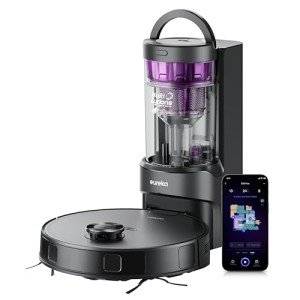
While robot hoovers aren't able to do a perfect job of getting rid of stains from your carpet or dirt that's been ingrained into your tiles, they are close. The top performers in the tests had impressive pick scores on hard floors and low pile carpets. They picked up fine particles such as baking soda, metal screws, and coffee grounds as well as larger particles such as pet hair, crumbs and baseboards.
Some models even dispose of mopping pads that are dirty into a waste drawer, so you don't have to worry about washing them manually. Most robots have self-emptying functions which lets you schedule cleans when you're away from home. This ensures that the robot returns before the battery is depleted. Certain models offer a combination of vacuuming and mopping capabilities.
It's green
A traditional vacuum requires you to move it around, which requires energy and time. A robot vacuum is, on the other hand is a machine that doesn't require hands that moves automatically from room to room without help from you. It consumes less energy than a standard vacuum, which makes it a greener option. The majority of robotic cleaners come with maps that allow them to learn the layout of your home's floors and navigate themselves. Some can even recognize carpet and boost suction to pick up embedded dirt.
Robots are not just eco-friendly but also cost-effective. If their batteries are empty or they've completed cleaning they go back to the dock to recharge. Some multifunctional models can even automatically empty their dust bins clean their mop pads and replenish their water tank, thus saving you the hassle of having to do these tasks manually.
Some robotic vacuums are smart enough to detect high-traffic areas, and will make extra passes there. So, your entryways, hallways, mudrooms, and playrooms will stay cleaner longer. Additionally some of these devices come with an option called'smart object detection' that can identify objects such as socks or pet toys and move them around them, rather than over them.
Robotic cleaners can be programmed to vacuum while you're away working or on vacation. You can also program them to vacuum when you are on vacation.
Many customers have reported that their homes look and smell better once they've started using a robot cleaner frequently. They are especially beneficial for families with children or pets that are young.
If you're looking for a green alternative to Roomba Roomba take a look at the Giving Tree vacuum. It's designed to conserve energy and generate electricity while it is working. This is a great choice for households that have limited electrical resources. It's similar to an Roomba and comes with all the features you'd expect including automatic room mapping; ability to identify hard flooring or carpet and then apply the cleaning tools accordingly self-emptying bin, UV mopping, which kills bacteria; and water tanks that are large enough to accommodate multiple cleaning sessions.
You can afford it
The best robot vacuums are designed to give a thorough clean without spending a fortune. They come with a variety of features that make them simple to use, efficient and effective. Many have an app that allows you to plan and manage the cleaning of your home. This allows you to view the robot's routes, set no-go zones, and even adjust cleaning intensities on the go!
Most robots have docking stations they return to if the battery is not running or if it is required to refill. These docking stations are spacious enough to accommodate multiple trash cans or water tanks. They can also be used as an extension of the robot, so that you can start cleaning it from any place in your home.
Cheap robot vacuums may get stuck on socks, shoelaces and other stray items you leave lying around and do a great job of cleaning up pet hair, and other mess. Look for a model with the max mode, which increases suction for more difficult spots.
Robots equipped with mapping capabilities can navigate your home more efficiently and retain the layout more effectively than the standard model. They also can avoid bumping against furniture or getting stuck in crevices. Some models can even mop and vacuum, eliminating the necessity for separate appliances.
The first robotic cleaner was the Electrolux Trilobite which utilized sensors to help navigate and clean floors. It was the precursor to modern robotic vacuums. It didn't catch on but it inspired creators to develop the technology we use today.
A majority of people consider a robotic vacuum to be a luxury. However, they are an excellent investment for many homes. They are more efficient than conventional vacuums and can cut down on time by removing the need to move around or clean up nooks. Plus, they're cheaper than professional cleaning services and can be purchased at most online retailers.
Be aware that you'll have to manually vacuum regularly. Manual effort is required to reach the nooks and crevices that robots cannot reach, like behind the bookcase or under the sofa.